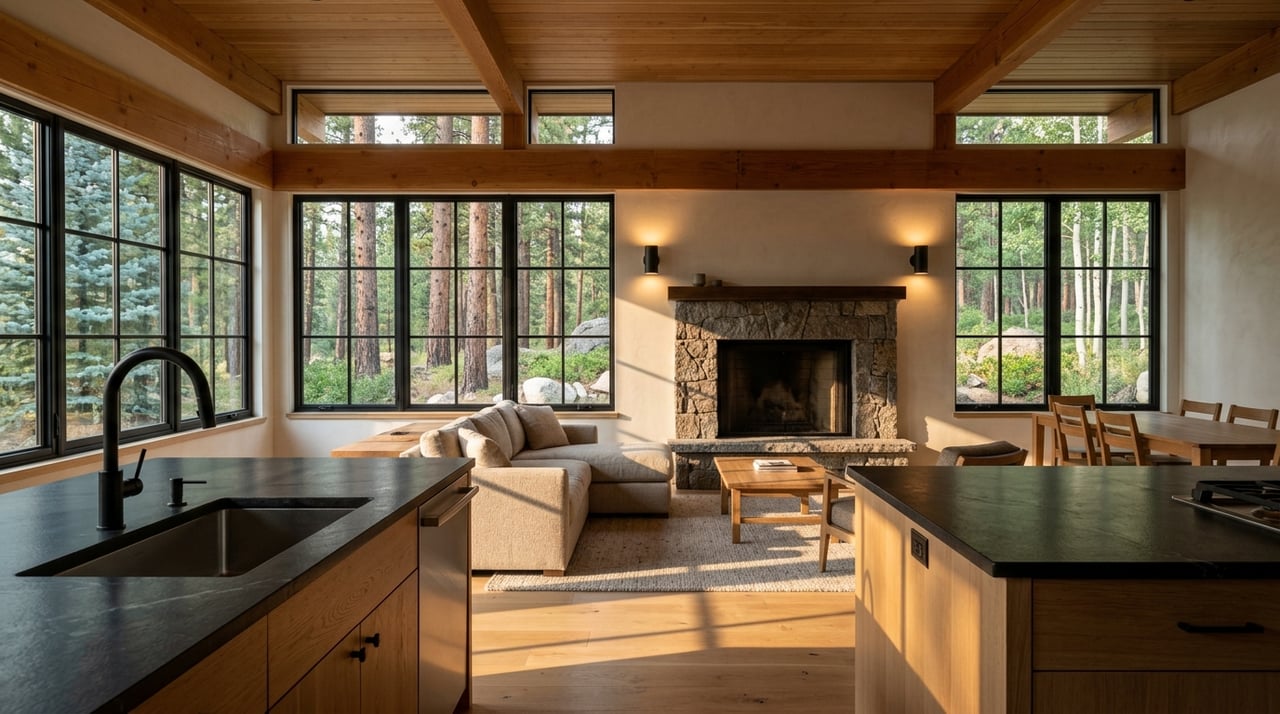
Lake George Cabin Rentals: Retreat, Income, or Both?
April 16, 2026
April 16, 2026
Looking at a cabin in Lake George and wondering whether it should be your getaway, a short-term rental, or a little of both? That is a smart question, because this market is less about chasing year-round resort-style income and more about matching the property to how people actually use the area. If you want a clearer way to evaluate the opportunity, this guide will walk you through the lifestyle appeal, rental realities, and features that matter most in Lake George. Let’s dive in.
Lake George appeals to buyers who want easy access to outdoor recreation without the feel of a dense tourist corridor. According to Colorado’s tourism page for Lake George, the area is known for trout fishing, access to Eleven Mile State Park, Eleven Mile Canyon, and scenic drives, with lodging that leans more toward cabins and guest lodges than large hotel clusters.
That matters if you are shopping for a mountain property with personal-use value first. The setting supports a quieter, nature-focused experience that fits buyers looking for a retreat, a second home, or a cabin that can double as a selective rental during peak travel periods.
A big part of Lake George’s appeal comes from the recreation around Eleven Mile State Park. Visitors come for camping, boating, kayaking, canoeing, sailing, motorboating, hiking, and fishing, while the South Platte River below the dam adds year-round fishing demand.
Just as important, the reservoir is a Denver water supply, so swimming and water skiing are prohibited. That gives you a helpful clue about the type of visitor Lake George tends to attract. This is generally a market for anglers, boaters, and travelers looking for a calm outdoor basecamp, not a high-energy lake-party scene.
If you are deciding how to use a cabin, it helps to think in three lanes.
A personal retreat often works best if your main goal is lifestyle. You may want a place for weekends, summer escapes, fall fishing trips, or time with family in a quieter mountain setting.
In that case, your buying criteria may focus more on comfort and access than on maximizing bookings. You might care most about privacy, usable outdoor space, gear storage, and whether the drive feels manageable in different seasons.
A rental-first strategy can work, but Lake George is usually not the kind of market where you should assume constant, year-round demand. Based on Park County’s 2025 Strategic Master Plan using AirDNA data, the Lake George area had 87 short-term rentals, an average nightly rate of $210, 40% occupancy, and around $1.6 million in annual area revenue. The same report shows that this occupancy level is below the countywide average of 52%, which suggests a more niche and seasonal rental pattern rather than a high-turnover resort model. You can review that data in the county’s Strategic Master Plan.
That does not mean a cabin cannot produce income. It means your expectations should stay grounded. A property here may perform best when it is marketed to the right guest and operated with realistic seasonality in mind.
For many buyers, the strongest use case is a hybrid one. You enjoy the cabin during the seasons you value most, then rent it selectively during stronger demand windows tied to boating, fishing, and shoulder-season recreation.
That approach lines up well with the county data and with how the area is used. It can also help you protect the personal feel of the property while still creating some income potential.
Before you buy with rental plans in mind, it is important to understand the local climate. NOAA climate normals for Lake George 8 SW show a July mean high of 77.1°F, a January mean high of 33.5°F, and about 50.4 inches of annual snowfall. You can see the source data through NOAA’s climate normals.
In practical terms, that points to stronger summer and shoulder-season use, with winter demand depending much more on access, heating, and snow management. If a cabin is difficult to reach in bad weather, or if winter operations are an afterthought, that can limit both your enjoyment and your rental flexibility.
Local recreation operations support that same seasonal pattern. Eleven Mile State Park runs peak-season office hours from Memorial Day through Labor Day, and boat inspections for trailered vessels follow the regular boating season. Services and access can shift with weather and time of year.
Meanwhile, Eleven Mile Canyon Recreation Area is generally open year-round, but winter conditions can reduce services and lead to closures during inclement weather. If you are weighing rental potential, these details matter because they shape when guests are most likely to visit and what kind of stay they expect.
If rental income is part of your plan, you need to evaluate the rules before you fall in love with a property. Park County requires all short-term rentals to be licensed, and the application checklist is detailed. According to the county’s short-term rental quick links and application resources, the current fees listed include:
The county also requires supporting materials such as:
Renewal applications must be filed 30 to 45 days before expiration, and Park County has also been reviewing its STR ordinance, with a revised draft published for public review on April 7, 2026. That is why buyers should confirm the current rules before assuming a cabin can be rented the way they want.
At the state level, Colorado defines rentals of lodging units for less than 30 days as short-term rentals, and counties may regulate them. The state also notes that HOA covenants may create private restrictions, which adds another layer of review for buyers. You can read that overview in Colorado’s short-term rental legislative brief.
Not every cabin is equally suited for personal use, rental use, or both. In Lake George, the most practical properties tend to check a few important boxes.
Parking is more important here than many buyers expect. Park County requires a parking plan, and the county says there is no parking on county roads through its STR materials. A property with easy on-site parking and a clear driveway is simply easier to manage for you and for guests.
That becomes even more important if visitors bring multiple vehicles, winter-ready trucks, or boat trailers. If access feels tight or unclear, operations can get complicated fast.
Cabins with documented septic and water systems often create less friction during the licensing and due diligence process. Since the county asks for septic documentation and may require other occupancy or safety-related materials, having clear records can save time and reduce uncertainty.
For buyers, this is one of those behind-the-scenes details that may not feel exciting, but it can make a real difference in whether a property is practical for mixed use.
The county’s area snapshot shows that 86% of Lake George STR listings are whole-house rentals. That suggests the local market favors stand-alone cabins and homes over more shared or hotel-style setups.
If you want a property that feels like a true retreat and also aligns with the rental pattern already working in the area, a stand-alone cabin may be the strongest fit.
Guests drawn to Eleven Mile and the South Platte often travel with fishing gear, coolers, waders, or boating equipment. Storage for rods, tackle, outerwear, and other gear lines up well with how people use the area.
That kind of practical storage can also improve your own experience as an owner. A cabin that supports the actual lifestyle tends to function better whether you keep it mostly for yourself or open it to guests occasionally.
Winter-readiness is one of the biggest separators between a cabin that looks good on paper and one that works in real life. Given the area’s snowfall, weather-sensitive access, and county requirement for a snow-removal plan, heating systems, driveway conditions, and cold-weather access deserve close attention.
A winter-ready property gives you more flexibility. It can support shoulder-season stays more comfortably and may help preserve demand outside the busiest summer windows.
If you are considering a Lake George cabin with mixed-use goals, these are smart questions to ask early:
These questions can help you separate a property that looks appealing online from one that truly fits your goals.
In Lake George, a cabin usually makes the most sense when you buy it for the lifestyle first and treat rental potential as a bonus that should be evaluated carefully. The area offers real appeal for outdoor recreation and quiet mountain stays, but the county’s own data points to a more seasonal, niche STR profile rather than a constant high-occupancy market.
For many buyers, the sweet spot is a stand-alone cabin with solid access, on-site parking, winter readiness, and the documentation needed to support compliance. If you want help weighing personal use, resale potential, and rental practicality in the Lake George area, the local guidance matters. Reach out to Thetford Team Real Estate to start your search or talk through your options.
Stay up to date on the latest real estate trends.
Get assistance in determining current property value, crafting a competitive offer, writing and negotiating a contract, and much more. Contact us today.