Woodland Park vs Colorado Springs: Which Area Fits?
May 28, 2026
May 28, 2026
Trying to decide between Woodland Park and Colorado Springs? It is a common question for buyers who want the right mix of lifestyle, budget, and daily convenience. If you are weighing mountain-town living against a larger city feel, the details matter more than the map. This guide will help you compare the two so you can make a confident move. Let’s dive in.
Woodland Park and Colorado Springs are close in distance, but they live very differently day to day. Woodland Park is a smaller mountain community in Teller County, while Colorado Springs is a much larger regional city. That contrast shapes everything from traffic patterns to housing options.
Woodland Park had an estimated population of 8,043 in 2024, compared with 493,554 in Colorado Springs. Population density also shows the difference clearly, with Woodland Park at 1,198 people per square mile and Colorado Springs at 2,451.2. If you want a smaller-scale setting, Woodland Park will likely feel very different from life in the Springs.
Elevation also changes the experience. Woodland Park sits at about 8,465 feet, while Colorado Springs is at 6,035 feet. That higher elevation adds to Woodland Park’s mountain identity and can affect weather, road conditions, and your day-to-day routine.
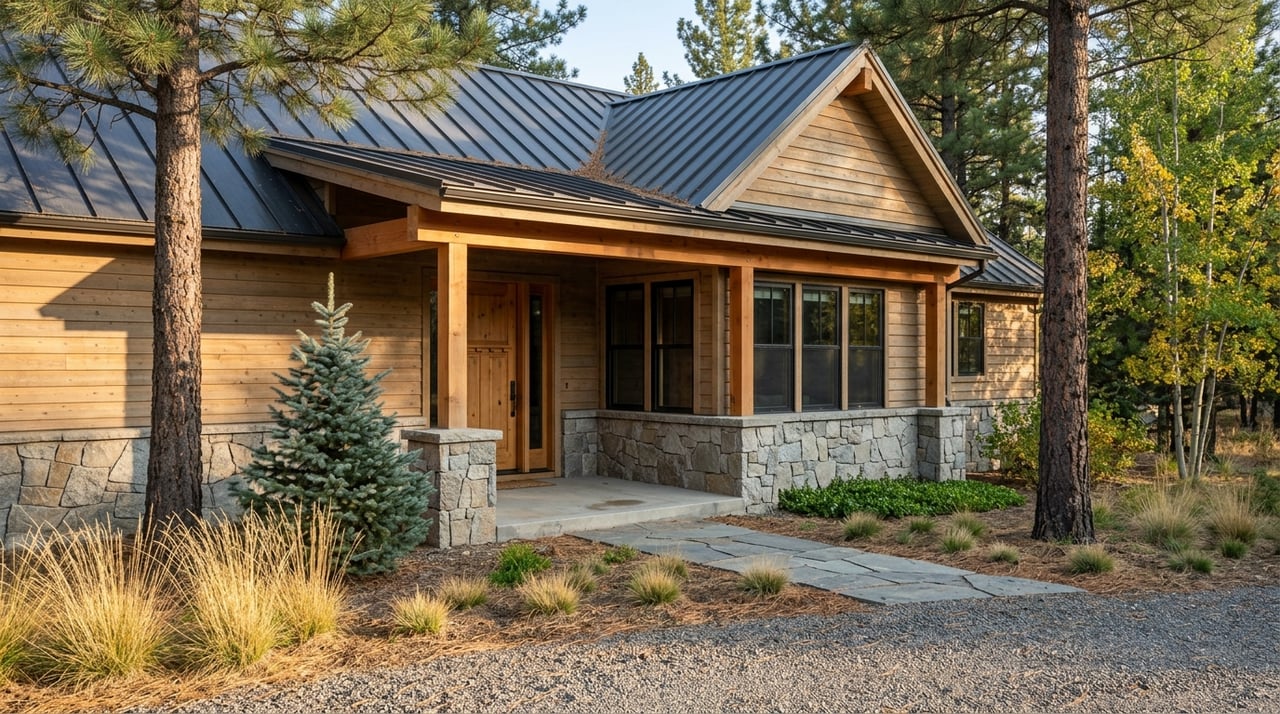
If you picture mountain views, a smaller community feel, and quick access to outdoor spaces, Woodland Park may line up with what you want. The city reports 66.67 acres of developed parks, 38.37 acres of open space and greenways, and 4.61 miles of trails. City guidance also notes that weather can change quickly, which is part of living in a higher-elevation mountain town.
Colorado Springs offers outdoor access too, but at a much larger scale. The city reports 9,000 acres of parkland, 160 miles of park trails, and 105 miles of urban trails. It also functions as a major civic and recreational hub, which usually means more services, more neighborhood variety, and a busier daily rhythm.
In simple terms, Woodland Park tends to feel more mountain-oriented, while Colorado Springs tends to feel more urban and suburban. Neither is better across the board. The better fit depends on how you want your everyday life to feel.
One of the biggest mistakes buyers make is assuming the short distance between Woodland Park and Colorado Springs means the commute feels easy every day. Woodland Park is about 18 miles west of Colorado Springs, and US-24 is the primary access corridor. That sounds manageable until you factor in weather, road work, and mountain driving conditions.
CDOT currently lists resurfacing work on about 12 miles of US-24 from Florissant to west of Woodland Park, along with work on CO-67 in Woodland Park. The project information also notes winter shutdowns due to adverse conditions. For many buyers, that means the commute question is not just about distance. It is about how comfortable you are with changing road conditions and corridor-based traffic.
Travel-time data supports that difference in daily routine. Mean travel time to work is 26.3 minutes in Woodland Park and 22.7 minutes in Colorado Springs. That does not measure one specific route, but it does support the idea that Woodland Park living often comes with a slightly longer and more car-dependent drive.
If budget is a major factor, this is one of the clearest differences. Current housing data shows Woodland Park as the tighter and more expensive market. Zillow’s April 30, 2026 data puts the average home value in Woodland Park at $538,023, compared with $451,202 in Colorado Springs.
Zillow also reports a median sale price of $480,588 in Woodland Park and $438,333 in Colorado Springs. Inventory is very different too, with 116 homes for sale in Woodland Park versus 2,649 in Colorado Springs. That wider selection in Colorado Springs can create more flexibility for buyers who want options.
Rent data points in the same direction. Zillow’s rent index shows Woodland Park at $2,091 and Colorado Springs at $1,712. Census data also shows higher median gross rent in Woodland Park, at $2,007 compared with $1,648 in Colorado Springs.
Price is only part of the story. Market pace matters too, especially if you are trying to time a move or compare how quickly homes tend to go under contract. Zillow reports median days to pending at 33 in Woodland Park and 20 in Colorado Springs.
Redfin’s closed-sale data tells a similar broad story, even though the exact numbers differ. Redfin reported a median sale price of $609K in Woodland Park last month, up 13.3% year over year, versus $450K in Colorado Springs, down 5.3% year over year. Redfin also showed homes selling in 58 days in Woodland Park and 47 days in Colorado Springs.
The exact figures vary because these sources measure the market differently. Still, both datasets point in the same direction. Woodland Park is generally the smaller, pricier, and slower-moving market, while Colorado Springs offers more inventory and lower typical price points.
Your decision may come down to the type of property you want. Woodland Park’s current permit and code environment is built heavily around single-family residences and accessory dwelling units. That matches what many buyers already expect in a lower-density mountain market.
Colorado Springs has a broader housing mix. PlanCOS describes a range of neighborhood centers, community activity centers, corridors, and downtown areas with a variety of housing choices, including higher-density options in some parts of the city. For buyers who want more entry points into the market, that added variety can be helpful.
Woodland Park often makes the most sense if you are focused on detached homes, cabins, or lower-density living. Colorado Springs may be a stronger fit if you want more housing types, more neighborhoods to compare, and more opportunities at different price levels.
There is no universal answer, but some patterns are clear. Woodland Park is often a good fit for buyers who want a mountain-town setting, immediate outdoor access, and a market that leans toward owner-occupied detached homes. Census data shows an owner-occupied housing rate of 76.5% in Woodland Park, compared with 60.9% in Colorado Springs.
Colorado Springs is often a better fit if you want more inventory, more housing variety, and easier access to city-scale jobs and services. Its larger footprint and broader housing supply give buyers more ways to enter the market. That can be especially helpful if you are balancing home price, commute, and property type all at once.
If you are relocating from the Front Range or comparing a mountain move with a city move, it helps to think beyond price alone. Ask yourself what you want your mornings, evenings, and weekends to look like. The right market is usually the one that fits your routine, not just your search filters.
Before you choose Woodland Park or Colorado Springs, take a step back and get clear on your priorities. A side-by-side comparison works best when you know what matters most to you. These questions can help:
The clearer your answers are, the easier this choice becomes. In many cases, buyers are not choosing between two similar markets. They are choosing between two different lifestyles.
Woodland Park and Colorado Springs can both be great places to buy a home, but they solve different needs. Woodland Park offers a smaller, higher-elevation mountain setting with a housing market that tends to be tighter and more expensive. Colorado Springs offers more homes for sale, more housing types, and a more city-centered daily experience.
If you want help comparing specific neighborhoods, commute patterns, or home options based on your goals, local guidance can make the process much easier. The right move starts with clear information and a realistic look at how you want to live. When you are ready to talk through your options, connect with Thetford Team Real Estate.
Stay up to date on the latest real estate trends.


Get assistance in determining current property value, crafting a competitive offer, writing and negotiating a contract, and much more. Contact us today.