Victor Colorado Living in a Historic High-Country Town
March 24, 2026
March 24, 2026
What draws you to a place like Victor? Maybe it is the quiet, the hard blue sky, or the feeling that history is still close at hand. At nearly 10,000 feet, this tiny city offers a slower pace and a strong sense of place. In this guide, you will learn what daily life looks like, what kinds of homes you will find, and the practical steps to take before you buy. Let’s dive in.
Victor sits on the southwest side of Pikes Peak in Teller County at roughly 9,700 to 10,000 feet. It is a very small city with a compact downtown and a population in the high 300s. You are about 5 miles from Cripple Creek and around a 45‑minute drive to Colorado Springs on mountain roads. For major services and hospitals, expect to head to Woodland Park or Colorado Springs.
Victor rose fast during the Cripple Creek–Victor gold rush in the early 1890s. The city became one of Colorado’s most important mining towns, and you still see the past in the landscape today. Period headframes and mills stand above town, and turn‑of‑the‑century brick buildings line the main streets. For background on that era, read about Victor’s gold‑rush story in the Victor, Colorado history overview.
Downtown Victor is listed on the National Register of Historic Places, which helps explain the preserved storefronts and tidy scale. The Victor Downtown Historic District documentation outlines the architecture you will notice in town. Local groups help maintain this identity through preservation and Main Street programs, highlighted by the Victor Heritage Society’s landmarks. Expect authentic mining‑era details, from hotel lobbies with original woodwork to museum exhibits that connect daily life to the mines.
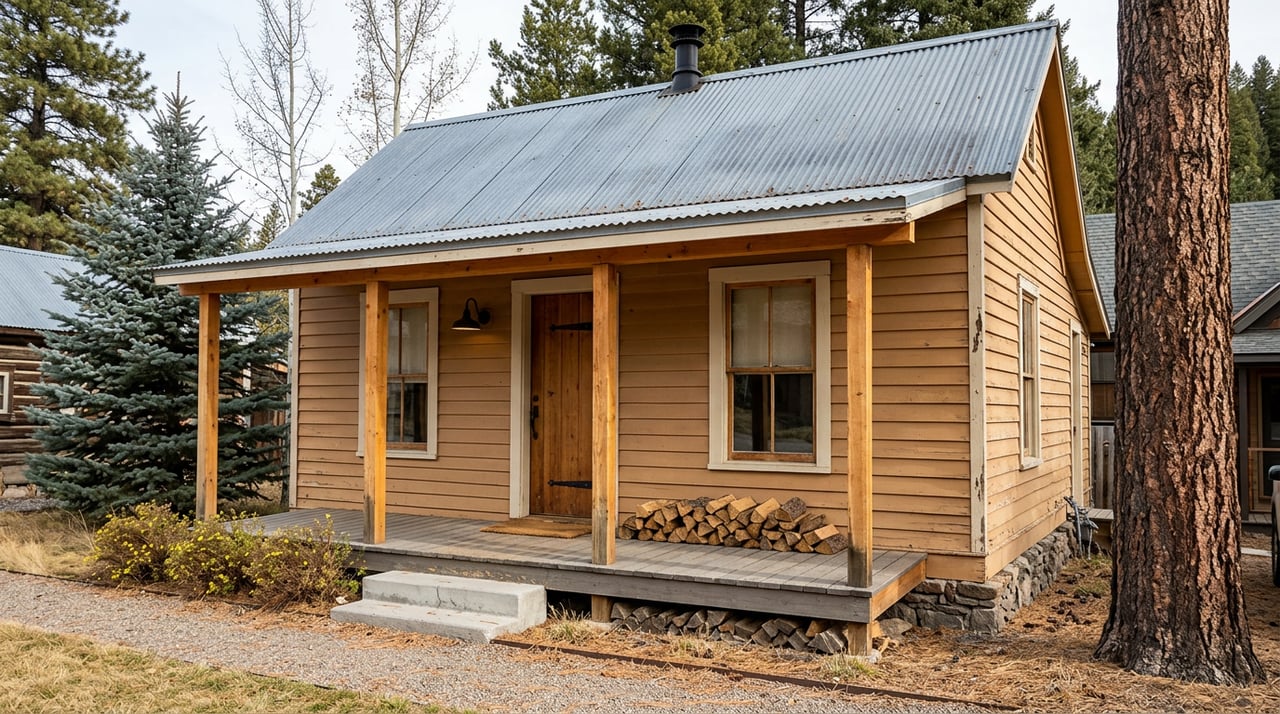
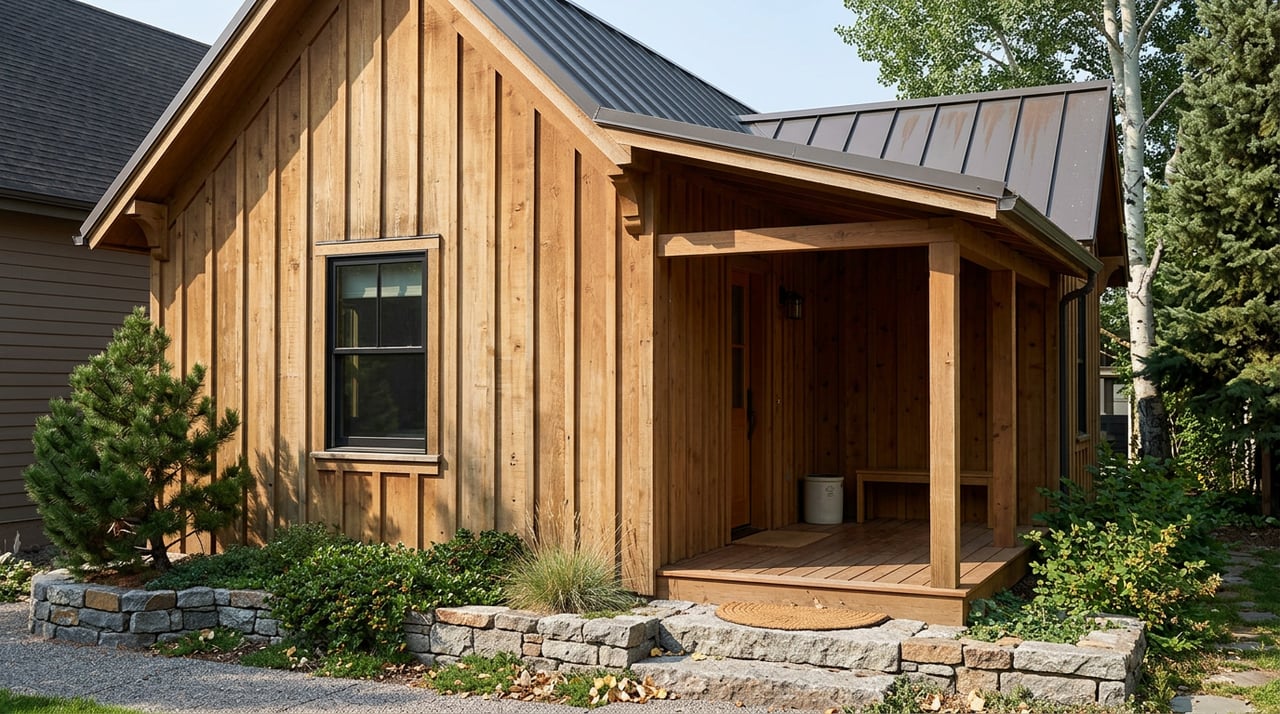
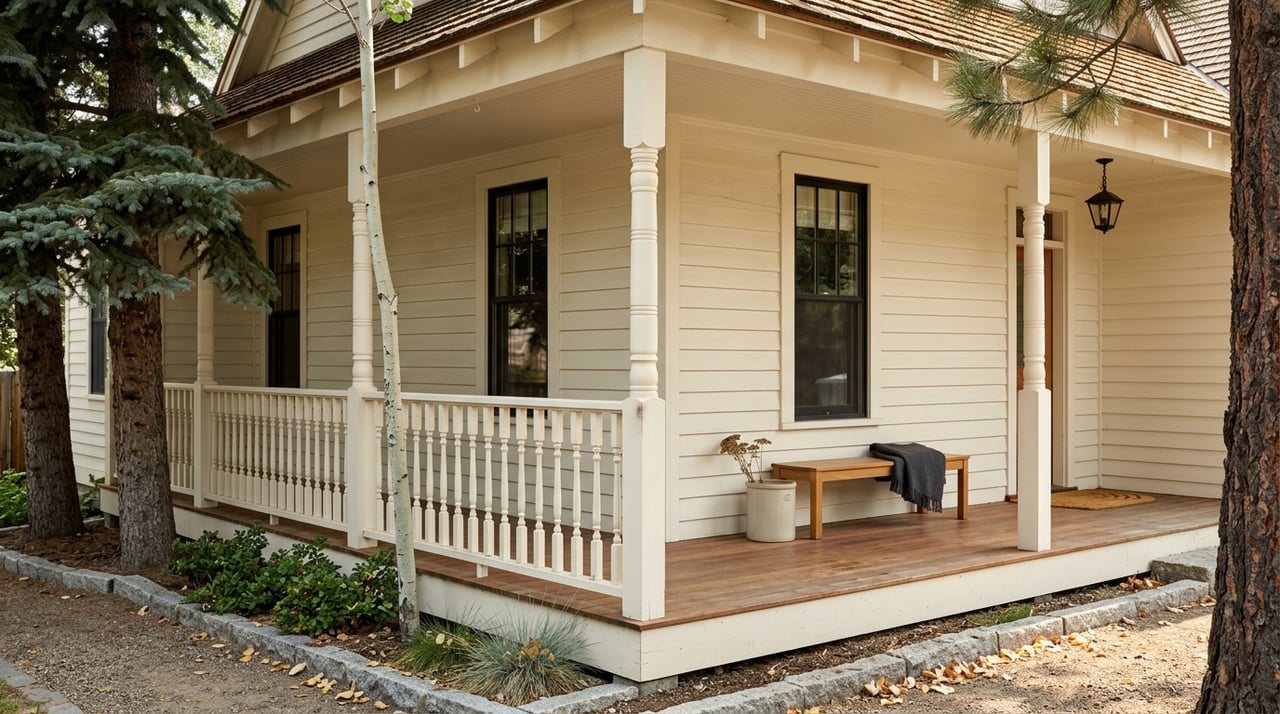
Victor’s housing stock reflects its history. You will see small historic cottages and miner homes in the core, many from the late 1800s and early 1900s. Outside the center, modest single‑family houses, simple cabins, and occasional log structures mix with acreage parcels and rural lots. Condition varies, so you will find everything from basic fixer‑uppers to nicely renovated homes.
Because Victor is so small, inventory is limited and pricing can swing as individual listings enter or leave the market. Public portals often group Victor with Cripple Creek, which can make snapshot medians less precise. As a directional guide only, recent portal data shows many single‑family cottages under $300,000, with renovated properties and acreage homes above that, and a combined area median often in the low‑to‑mid $200,000 to $350,000 range. Check real‑time pricing with a local MLS agent to understand the current picture before you act.
If you like historic charm, Victor delivers it in spades. If you prefer newer construction, you may look to surrounding areas or to acreage where you can build. In‑town homes can be subject to preservation guidelines for exterior work, while rural parcels follow county rules and on‑site system requirements.
Life here is quiet and local. You will find a handful of small shops and restaurants, not big chains. Many errands and specialized services mean a trip to Cripple Creek or down to Colorado Springs. The City’s website gives a sense of the town’s small scale and services available in the core if you are planning routine needs.
Public schools in this area are served by the Cripple Creek–Victor RE‑1 district. Always confirm school assignment for a particular address with the district. Bus routes, program offerings, and transportation options can vary by location.
Many in‑town properties connect to municipal water and sewer. The city’s water and sewer service page outlines utility billing and connection basics. If you are buying within city limits, confirm service availability, tap fees, and any transfer requirements with City Hall during due diligence.
Outside the core, expect private wells, cisterns, and septic or other on‑site wastewater systems. Permits, design, and water rights questions are normal parts of a rural purchase in Teller County. Local homeowner resources explain how well designations and septic costs affect suitability and budget, as seen in the well and septic briefings. Build those items into your inspections and contract timelines.
At this elevation, summers are cool and winters are cold with measurable snowfall. Cripple Creek climate normals, a close proxy for Victor, show summer highs often in the 60s and 70s and frequent afternoon storms. Review the Cripple Creek climate overview to set expectations for heating needs and seasonal gear.
Victor sits near 10,000 feet, which can affect how you feel and perform at first. The CDC notes that people arriving from low elevations can experience acute mountain sickness above about 8,000 to 9,000 feet. Plan time to adjust, hydrate well, and talk with your clinician if you have cardiopulmonary concerns. You can read the CDC guidance on high‑altitude travel before you move.
Many local routes are mountain roads. Scenic backways like the Gold Belt Tour are beautiful, and some segments are unpaved, narrow, or seasonal. Learn about the route character and seasonal access on the Gold Belt Byway overview. In winter, a reliable vehicle with appropriate tires or 4WD is often recommended. If you are looking at a remote parcel or a long driveway, ask about plowing, grades, and who maintains the road.
Wildfire is a known risk in mountain communities. Teller County’s hazard plan outlines local hazards and planning measures. Review the Teller County Hazard Mitigation Plan and talk with your insurance agent about coverage, mitigation steps, and defensible space requirements for a given property.
Victor blends quiet streets with out‑the‑door recreation. You can walk the Vindicator Valley Trail past towering headframes and interpretive signs that bring the mining era to life. For a preview, see the Vindicator Valley Trail guide. Nearby, the Gold Belt Tour connects Victor to Cañon City and Cripple Creek, offering day trips with grand views.
The town calendar leans into its heritage. Annual traditions often include Gold Rush Days in mid‑July, Victor Celebrates the Arts on Labor Day, the Victor Gem & Mineral Show, and historic home tours. Local organizations coordinate these events, which you can track through the Victor Heritage Society’s activities page.
Before you fall for a view or a brick storefront, run through this short list:
Choose Victor if you want real mining‑era character, high‑country views, and a slower daily rhythm. You trade big‑box convenience for a compact main street and ready access to trails, backroads, and history. Inventory is limited, and older homes often require a renovation mindset, yet the payoff is a community that feels both intimate and storied.
If that balance sounds right, let’s talk about properties that match your budget, your timing, and your lifestyle. From in‑town cottages to rural acreage, we can help you sort the choices and move with confidence. Connect with Thetford Team Real Estate to start your search or get a free valuation.
Stay up to date on the latest real estate trends.
Get assistance in determining current property value, crafting a competitive offer, writing and negotiating a contract, and much more. Contact us today.