Florissant Land Value: Should You Build or Sell As-Is?
May 14, 2026
May 14, 2026
Wondering whether to build on your Florissant land or sell it as-is? That decision can feel bigger than the acreage on paper, especially in a market where buyers look closely at access, utilities, and buildability. If you own land in Florissant, the smartest next step is usually the one that matches your parcel’s real-world readiness, not just its size. Let’s break down what matters most.
In Florissant, land value is often tied more to how usable the parcel is than to how many acres it has. Teller County’s reassessment materials show a fairly flat local real estate market since summer 2022, with vacant land holding a median adjusted sales price of $25,750 in both June 2022 and June 2024. At the same time, median sales price per acre rose from $18,832 to $21,705, which shows that buyer pricing can shift based on parcel characteristics, not just lot count.
That helps explain why two Florissant-area parcels can move in opposite directions. County examples showed a 2.02-acre parcel in Colorado Mountain Estates dropping from $45,000 to $39,000, while a 4.16-acre parcel in Indian Creek rose from $85,000 to $91,000. The difference points back to the details buyers care about most, like access, terrain, and utility potential.
Florissant also attracts people who want mountain-town living near outdoor destinations like Florissant Fossil Beds National Monument, Eleven Mile Reservoir, Mueller State Park, Rampart Reservoir, and the Gold Belt Scenic Byway. That lifestyle appeal matters, but buyers still tend to ask a practical question first: Can I actually build here without major surprises?
Legal access is one of the first things buyers and builders want to confirm. Teller County states that recognition of a pre-existing lot does not guarantee legal access or approval for water, septic, building, or other permits. In other words, owning a lot does not automatically mean it is ready for construction.
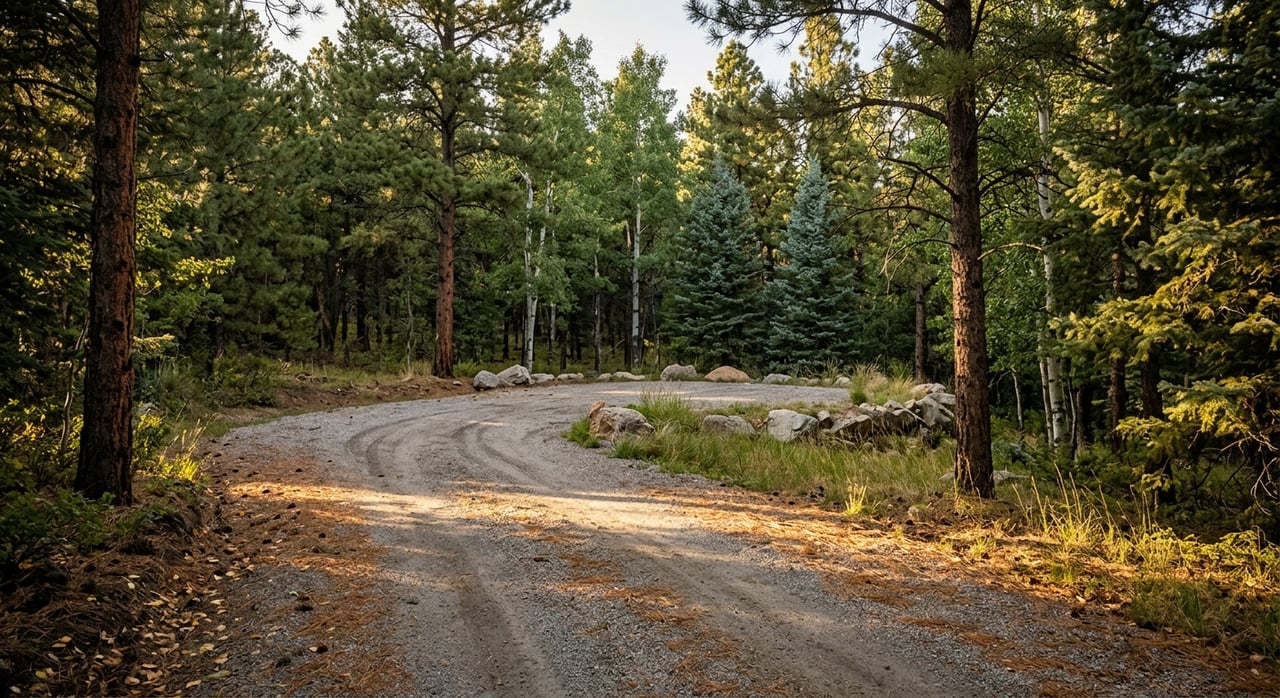
Driveway access also affects value because it can add both cost and limits. Teller County requires a driveway or access permit before a building permit, generally allows only one access point to a parcel, and says residential openings are typically limited to about 20 feet. If your parcel has straightforward road frontage and a realistic driveway path, that can make it more attractive to a buyer.
Road conditions matter too. Teller County maintains roughly 554 miles of roads, with about 483 miles being gravel, mostly in subdivisions, and weather can heavily affect gravel-road maintenance. If your land is harder to reach or may require expensive road work, buyers often factor that into what they are willing to pay.
Utilities are another major pricing factor. Teller County’s infrastructure rules say that if approved central water or sewer is within 1,000 feet and the provider is willing and able to serve, the property owner is generally expected to connect. If not, the county requires evidence of a legal and adequate water supply and an adequate sewage solution.
For Florissant owners, this can create a sharp difference in value depending on location. Parcels inside the Florissant Water and Sanitation District boundaries may be able to connect to district water and sewer, but connection comes with tap fees and monthly service charges. Parcels outside the district usually depend on private well and septic feasibility, and that uncertainty can narrow the buyer pool.
Water planning is especially important because the Colorado Division of Water Resources reviews water-supply proposals for land divisions and says it cannot confirm a specific well permit will be issued until the required evaluation is completed. That means buyers may pay more for land with a clearer path and less for land with unanswered utility questions.
Zoning can shape what a parcel is worth and who may want to buy it. Teller County’s zoning code says that in new subdivisions, if a lot is not served by both central water and central sewer, the county generally requires 10 acres. Within the RR zone district, the minimum lot size is 10 acres without central water and sewer and 2 acres with them.
That matters because utility availability can directly affect ease of development. A parcel with service access may appeal to a broader range of buyers, while one without it may have a more limited path forward. If you are deciding whether to improve or sell, this is one of the most important issues to review.
Topography can quickly change your costs. Teller County specifically lists view, topography, access, land size, and subdivision context as value factors. A beautiful parcel can still be difficult to build on if it needs major grading, tree removal, or a complicated homesite layout.
Wildfire risk is also part of buyer decision-making in Teller County. The county’s hazard mitigation plan says the entire county population is in the wildland-urban interface and at risk from wildfire, and it notes there is effectively a 100 percent chance of at least one wildfire in the county each year. For some owners, that makes building less attractive if site prep and mitigation costs are likely to be significant.
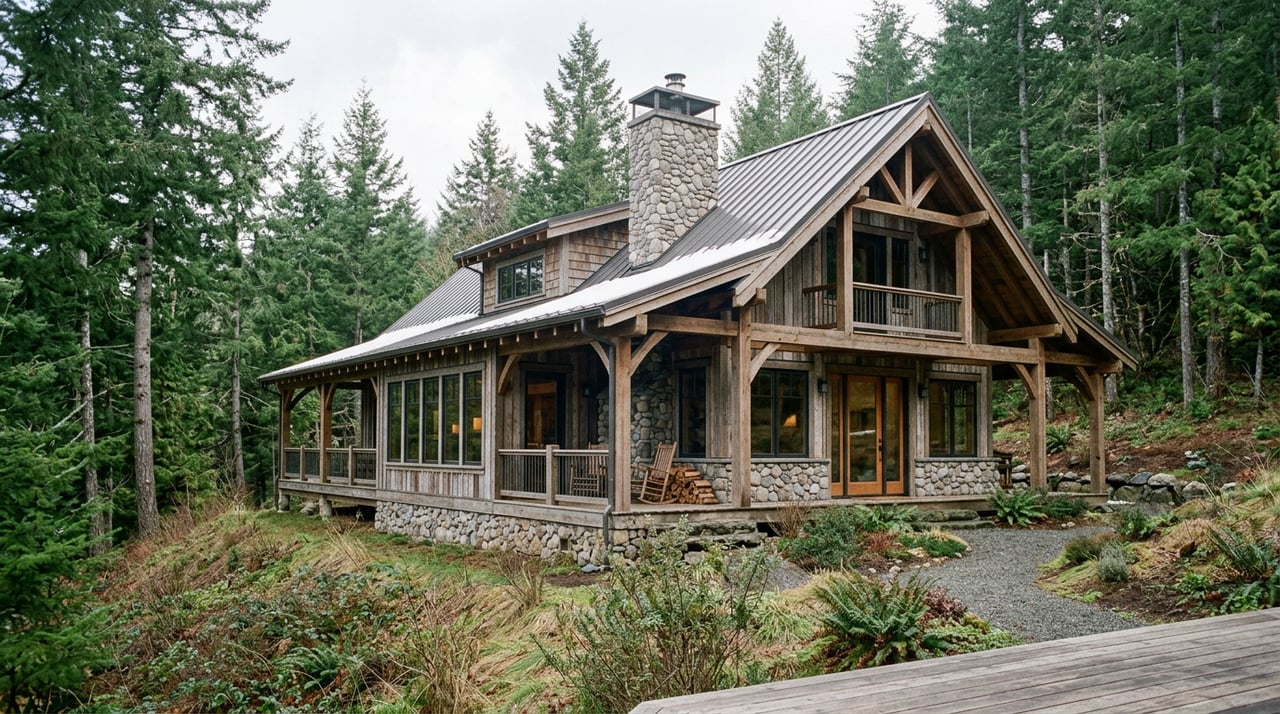
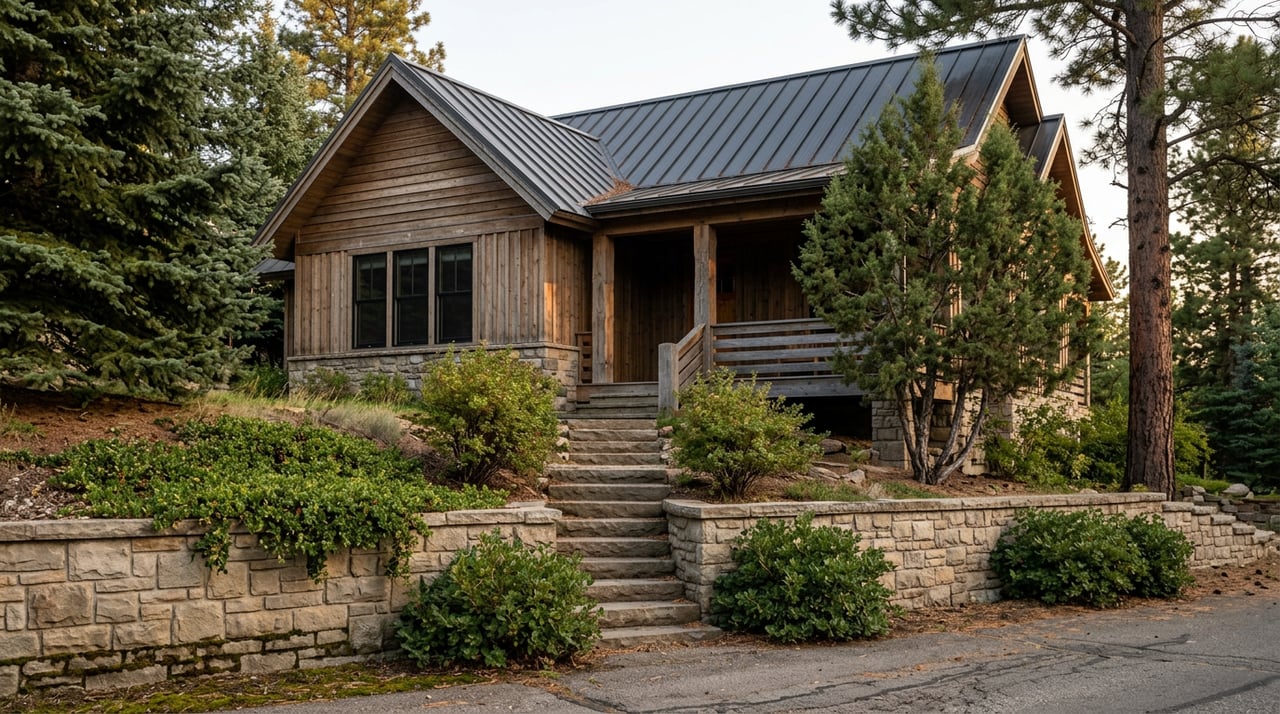
Building tends to make the most sense when your parcel already checks the key boxes for buildability. That usually means you have legal access, a workable driveway route, a realistic water and septic plan, and terrain that does not require major correction. In that situation, improving the land can make it easier to market and more aligned with what Florissant buyers value.
If your parcel already has a clear path through county requirements, building may help you move from selling raw land to selling a finished homesite or completed residence. That can create a more appealing product in a market where buyers often want certainty. The more questions you remove, the easier it is for a future buyer to see the property’s potential.
Still, this choice works best when improvement costs are grounded in the parcel’s actual conditions. In a relatively flat land market, spending money only makes sense if the improvement meaningfully changes usability and buyer demand.
Selling as-is can be the better move when the parcel still has big unknowns. If access is unresolved, road work looks expensive, water or septic feasibility is uncertain, or the terrain is difficult, the next buyer may be the one best positioned to take on that risk.
This can also make sense if wildfire-related mitigation or site-prep costs would likely be paid by the next owner anyway. Teller County’s land market has remained fairly flat in recent years, which suggests that improvement spending does not always lead to an equal jump in resale value. In some cases, protecting your time and capital is the stronger financial decision.
An as-is sale may also attract a buyer who wants flexibility to design their own approach from the ground up. If your parcel has location appeal but needs due diligence, pricing it correctly and presenting the facts clearly can still create solid interest.
Holding the land can make sense when the parcel is not build-ready today but has a credible path to improvement. Maybe access can be clarified, utility planning can be advanced, or site conditions can be documented more clearly over time. In that kind of situation, waiting may preserve future upside.
This is especially relevant in Florissant because value can change materially once a parcel becomes easier to understand and easier to build on. If you are not in a rush to sell, a measured hold strategy may give you time to improve marketability without committing to full construction.
Before you decide to build, hold, or sell as-is, it helps to review your parcel through a simple lens:
If several of those answers are still unclear, selling as-is or holding may be safer than building right away. If most of them are already favorable, building may deserve a closer look.
A professional valuation can be especially useful when your land has unusual features or unanswered questions. That includes parcels with steep terrain, easements, dense tree cover, utility uncertainty, or legal-configuration issues such as a boundary adjustment or lot combination. In Florissant, those details can have a real impact on both pricing and buyer demand.
It can also help if you are comparing the cost of improvements against a likely as-is sale price. County reassessment data is useful, but it reflects values set from the market as of June 30, 2024 for the 2025 reassessment cycle. Today’s buyer sentiment and listing activity may tell a different story for your specific parcel.
This is where local, boots-on-the-ground knowledge matters. In a place like Florissant, two lots with similar acreage can have very different market positions depending on district boundaries, access setup, terrain, and utility path.
If you are weighing whether to build or sell your Florissant land, a local conversation can save you time, money, and second-guessing. The team at Thetford Team Real Estate understands rural parcels, mountain-market pricing, and the practical details that shape land value in Teller County.
Stay up to date on the latest real estate trends.


Get assistance in determining current property value, crafting a competitive offer, writing and negotiating a contract, and much more. Contact us today.