Florissant Appraisal Basics for Rural Mountain Homes
December 18, 2025
December 18, 2025
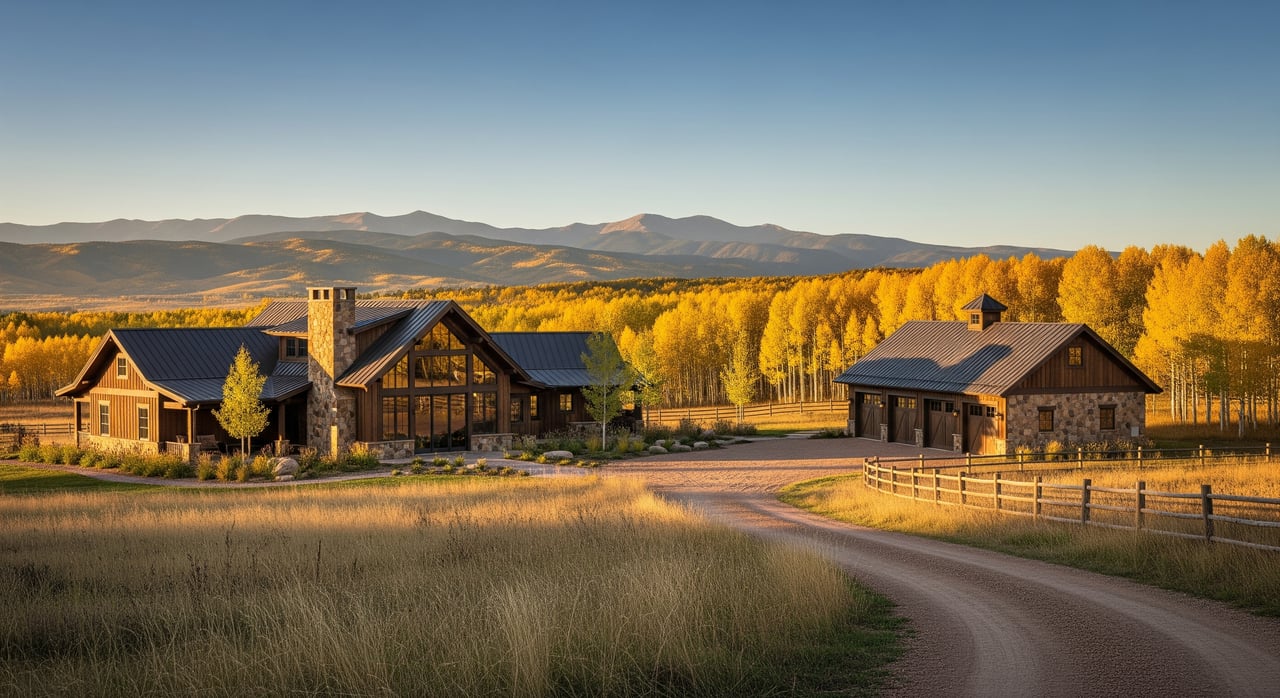
Buying or selling a cabin or acreage near Florissant? The appraisal can feel like a black box when properties are spread out, features vary, and sales move with the seasons. You want a fair value that reflects your view, your well and septic, and those hard-earned improvements. In this guide, you’ll learn how rural appraisals work in Teller County, what affects value most, and how to prepare so the appraiser has everything needed to give a well-supported opinion. Let’s dive in.
An appraisal is an independent opinion of market value as of a specific date. Lenders use it to help decide your loan amount. It is not a home inspection and it does not replace engineering or environmental reports. Think of it as a value analysis based on the property, recent sales, and market trends.
For most single-family homes, appraisers use the Uniform Residential Appraisal Report, sometimes called the URAR or Form 1004. Manufactured homes, large acreage, or unique rural properties may require additional forms or addenda. Appraisers follow professional standards and lender rules, including USPAP as well as Fannie Mae, Freddie Mac, FHA, or VA guidelines.
Appraisers typically consider three approaches to value:
If you are getting a mortgage, the lender orders the appraisal and pays the appraiser. You cannot pick the appraiser in a financed transaction. Buyers and sellers can also hire a private appraiser before listing or making an offer. A pre-listing or pre-offer appraisal can help set expectations and identify documentation needs.
In low-density areas like Florissant, there may be few recent sales that truly match your home. Appraisers can expand their search radius across Teller County and, when needed, into nearby areas if those sales reflect the same market behavior. More recent sales are preferred, usually within 3 to 6 months in active markets, but older sales can be used when the market is thin. The appraiser explains why those comps fit.
Appraisers weigh the features that drive buyer decisions here: acreage and how usable it is, terrain and elevation, access type and condition, utilities, views, age and condition, and outbuildings. They avoid non-arm’s-length sales that do not reflect open-market pricing.
Appraisers adjust for meaningful differences between your home and the comps. Common rural adjustments include:
If your place is a one-of-a-kind cabin, a brand-new custom home, or a property with significant outbuildings and few true comps, the appraiser may lean more on the Cost Approach. Land value is still built from comparable land sales where possible, then the replacement cost of the improvements is estimated and depreciated to reflect age and condition.
Transaction volume is often low, and sales activity tends to rise in spring and summer. Appraisers may use comps from a wider area or from older timeframes, with explanations and time adjustments when needed.
Year-round access is a real concern in the mountains. Appraisers look for road maintenance agreements, county maintenance details, steep driveways, and whether certain conditions require 4WD. These items directly affect marketability and can lead to adjustments.
Most rural homes here rely on private wells and septic systems. Appraisers consider well permits, logs, pump age, water test results, and septic inspection or permit details. In Colorado, water rights can be complex. Proper documentation can support value while missing or failing systems can introduce risk and lower lender acceptability.
Electricity, propane, satellite internet, cell coverage, and backup power systems such as generators or solar with batteries all influence desirability. Appraisers will note the presence and performance of these systems, along with any limitations.
Forest proximity and wildfire exposure are realities in Teller County. Defensible space, mitigation work, and insurance costs are market factors. Appraisers consider how these risks affect demand and cost of ownership.
Older sheds, guest cabins, or additions without permits pose challenges. Appraisers will not count unpermitted living area as finished square footage and may discount or exclude those spaces from value.
Conservation easements and restrictive covenants limit future use, which can reduce value. If mineral rights are reserved by others, surface use concerns can affect marketability.
County tax records, special districts, and road maintenance districts impact ownership costs and buyer perceptions. Appraisers consider how these recurring costs factor into the local market.
Provide a neat, complete packet that helps the appraiser verify your property’s strengths. Include:
Before the site visit, handle obvious maintenance, tidy the property, ensure the driveway is accessible, and label or unlock spaces the appraiser needs to see.
If the home is unique or acreage-heavy, consider a pre-offer appraisal at your expense to calibrate expectations. During your loan process, gather any missing documentation the seller can share, such as well and septic records, permits, and receipts. Ask questions early about access, utilities, and seasonal challenges so the appraiser can confirm the details.
You can’t coach the appraiser, but you can supply facts:
A lower-than-expected appraisal is not the end of the road. You have options:
Because rural sales ebb and flow by season, timing can influence both your comp pool and value trends. Listing or locking a loan during more active months can make it easier for the appraiser to find strong, recent comps. Regardless of season, thorough documentation and a clear narrative about your property’s features will help the appraisal reflect true market conditions.
Ready to talk through your situation or get a valuation conversation started? Connect with the local team that lives and works these roads every day. Reach out to Thetford Team Real Estate to plan your next step.
Stay up to date on the latest real estate trends.


Get assistance in determining current property value, crafting a competitive offer, writing and negotiating a contract, and much more. Contact us today.