Buying in Divide or nearby mountain towns and wondering if a USDA loan could help you get in with little or no money down? You are not alone. Many buyers look to USDA financing to make acreage or small‑town homes more affordable in Teller and Park counties. In this guide, you will learn what USDA loans are, how to check if a property and your income qualify, what to expect with wells and septic, and how USDA compares to FHA and Conventional. Let’s dive in.
USDA loans at a glance
USDA offers two single‑family programs that matter for most local buyers. The Single Family Housing Guaranteed Loan Program is issued by approved lenders and backed by USDA Rural Development. It is designed for low to moderate income households and often allows 100% financing. The Single Family Housing Direct Loan Program (Section 502 Direct) is made directly by USDA for very low and low income applicants and may include payment assistance.
Both programs are for owner‑occupied primary residences only. Geographic eligibility is strict, and income limits are household‑based and vary by county and household size. If you are starting from scratch, review the program basics on the USDA Rural Development site to understand how the rules work and how lenders underwrite these loans. You can find program information on the USDA Rural Development page for single‑family housing at USDA Rural Development.
Check if a Divide property is eligible
USDA determines eligibility by location. Many small mountain communities and unincorporated areas are often eligible, but it always comes down to the exact address.
- Use the official USDA Property Eligibility tool. Enter the street address to see an immediate eligible or ineligible result.
- If the map shows ineligible and you believe it should qualify, a lender can request USDA confirmation in special situations.
- For bulk checks, lenders and agents sometimes use county GIS to verify parcel details before running addresses through the USDA tool.
In Teller and Park counties, areas around Divide, Florissant, and Cripple Creek often align with what USDA intended to serve. Still, do not assume a whole town is eligible. Always verify the exact parcel. If a property is ineligible, consider nearby parcels that are eligible or look at other financing options.
For additional state‑level guidance or to find contact info for Colorado’s Rural Development offices, visit USDA Rural Development in Colorado.
Income limits and borrower rules
USDA sets income limits by county and household size. Guaranteed loans generally allow higher incomes than Direct loans, but both look at the total gross income of all adult household members, with specific exclusions. Limits are updated periodically, so use current data rather than old charts.
- Verify the latest income limits for your household size for Teller or Park County through USDA or an approved lender. You can also reference area median income sources from HUD at HUD income limits and AMI data.
- Include all adult household members who will live in the home when you calculate eligibility.
- Lenders sometimes have additional overlays, so an early conversation with a USDA‑approved lender is smart.
If you are close to a limit, a lender can walk through allowable income exclusions and how annualized income is calculated under USDA rules.
Acreage, wells, septic, and property standards
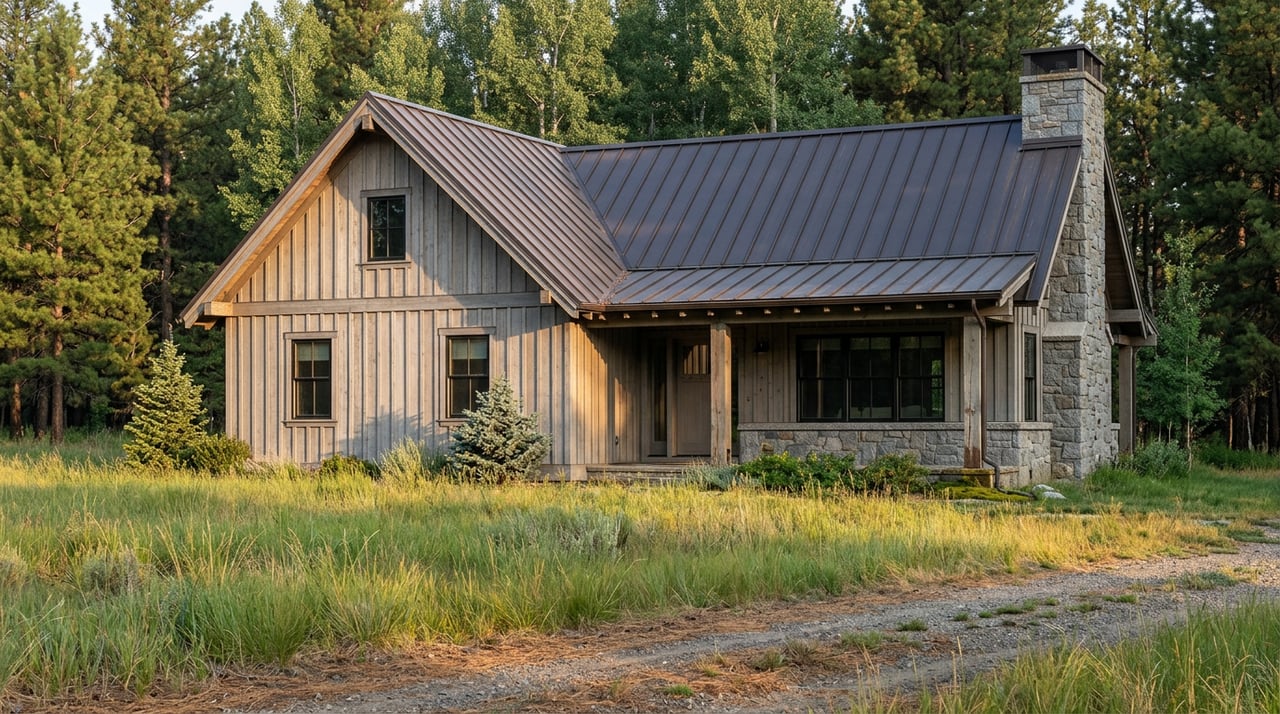
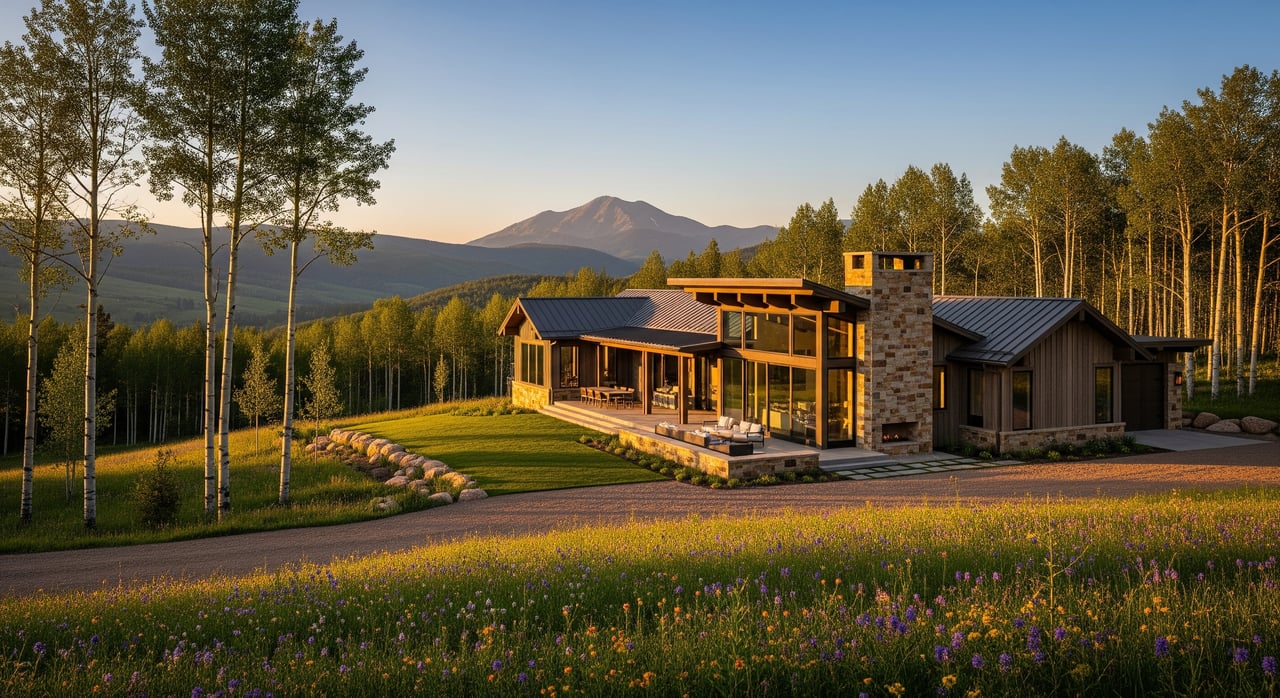
Buying in Divide or Florissant often means private wells, septic systems, and some acreage. USDA can work well here, as long as the property is primarily residential and meets health and safety standards.
- Minimum standards: The home must be safe, structurally sound, and sanitary. Appraisers check for issues like unsafe wiring, foundation problems, flooding concerns, and adequate access.
- Wells and septic: Private systems are allowed if they meet county health codes and Rural Development requirements. Expect verification of water quality or well yields where applicable and septic capacity and permits. Year‑round access and emergency vehicle access are important.
- Acreage and use: Acreage is common and generally allowed if the primary use is residential. Noncommercial gardening or a few animals is typically fine. USDA does not finance commercial farm operations. If there are extensive outbuildings or farm improvements, lenders may exclude farm‑related value from the mortgage.
- Manufactured homes and condos: Manufactured homes may be eligible if installed on a permanent foundation and they meet state, local, and Rural Development requirements. Condo eligibility depends on project approvals and RD standards.
Local examples to consider:
- A single‑family home on 2–3 acres outside Divide with a private well and septic can be a good fit if the USDA map shows the parcel as eligible and inspections meet county code.
- A 10–20 acre property with multiple outbuildings may still qualify if the use is primarily residential and access and utilities are adequate. Commercial farm use can complicate financing.
- A historic home in downtown Cripple Creek could qualify based on the address and condition. Health and safety repairs may be required before closing.
For a deeper dive into property and appraisal expectations, review USDA’s single‑family program guidance on USDA Rural Development.
USDA vs FHA vs Conventional: which fits?
Your best option depends on your goals, credit, and the property’s location and condition.
If you can buy in a USDA‑eligible area and want to minimize cash to close, USDA is often the most cost‑effective path. If your target property is in an ineligible area or needs a condo‑friendly program, FHA or Conventional may be better. To review program rules, see USDA Rural Development and FHA’s program page at HUD FHA programs.
How to get started in Teller and Park counties
Set yourself up for a smooth USDA purchase with a few practical steps.
- Verify the address. Run each listing through the USDA Property Eligibility tool and save a screenshot.
- Talk to a USDA‑approved lender early. Ask about income limits for your household size, target price range, and any lender overlays you should know.
- Gather documents. Expect pay stubs, W‑2s, tax returns, bank statements, ID, and explanations for large deposits. Your lender will provide a checklist.
- Plan for wells and septic. If the property has private systems, order inspections and confirm county permits to keep underwriting on track.
- Compare your options. If a property is ineligible or does not meet standards, review FHA and Conventional options with your lender for a side‑by‑side cost comparison.
- Coordinate with local contacts. For Colorado‑specific questions or to find local RD offices, use USDA Rural Development in Colorado.
When you work through these steps upfront, you can move quickly when the right Divide or Florissant property hits the market.
Ready to map out a USDA‑friendly home search around Divide, Florissant, or Cripple Creek? Reach out to our local team to discuss neighborhoods, eligibility, and next steps. If you want a quick refresher on program basics, you can always start with USDA Rural Development, then come back with specific addresses and questions.
FAQs
How do I check if a Divide address is USDA‑eligible?
What income limits apply for Teller County USDA loans?
- Income limits vary by household size and are updated periodically. Confirm current figures with a USDA‑approved lender and review resources like HUD AMI data for context.
Can I buy acreage in Florissant with a USDA loan?
- Yes, if the property is primarily residential and meets Rural Development standards. Noncommercial hobby use is typically fine; commercial farming operations are not eligible.
Are wells and septic systems acceptable for USDA loans in Park County?
- Private wells and septic are allowed if they meet county codes and Rural Development requirements. Expect inspections for water quality, septic capacity, and verification of year‑round access.
How does USDA compare to FHA for low‑down‑payment buyers?
- USDA often offers 0% down in eligible areas, with guarantee and annual fees. FHA requires at least 3.5% down and has upfront and annual mortgage insurance. The better fit depends on your location, credit, and property type; review costs with your lender and see HUD FHA programs.
Can I use a USDA loan if I am relocating to Teller County?
- Yes, if you will occupy the home as your primary residence, meet income and credit requirements, and the property address is USDA‑eligible.
What documents will my lender ask for on a USDA loan?
- Plan on recent pay stubs, W‑2s, tax returns, bank statements, ID, and explanations for large deposits or gaps. Your lender will provide a tailored list.
If you are considering a USDA loan in Divide or the surrounding mountain towns and want local guidance, connect with Unknown Company to start a conversation about your move.